 LINE @a175176
Standard widths
Common Taiwan sizes are approximately 4, 5 and 6 chi, with typical depths of 60, 65, 70 or 75 cm.

WORKTOP REFRIGERATION
A worktop refrigerator combines a stainless-steel food-preparation surface with chilled or frozen storage below. We repair and sell commercial worktop refrigerators and can help assess door count, dimensions, temperature zones, voltage, ventilation and kitchen workflow.
Commercial equipment only — we do not repair household refrigerators.
Actual examples of commercial worktop units. Dimensions, door layout and temperature configuration vary by model.
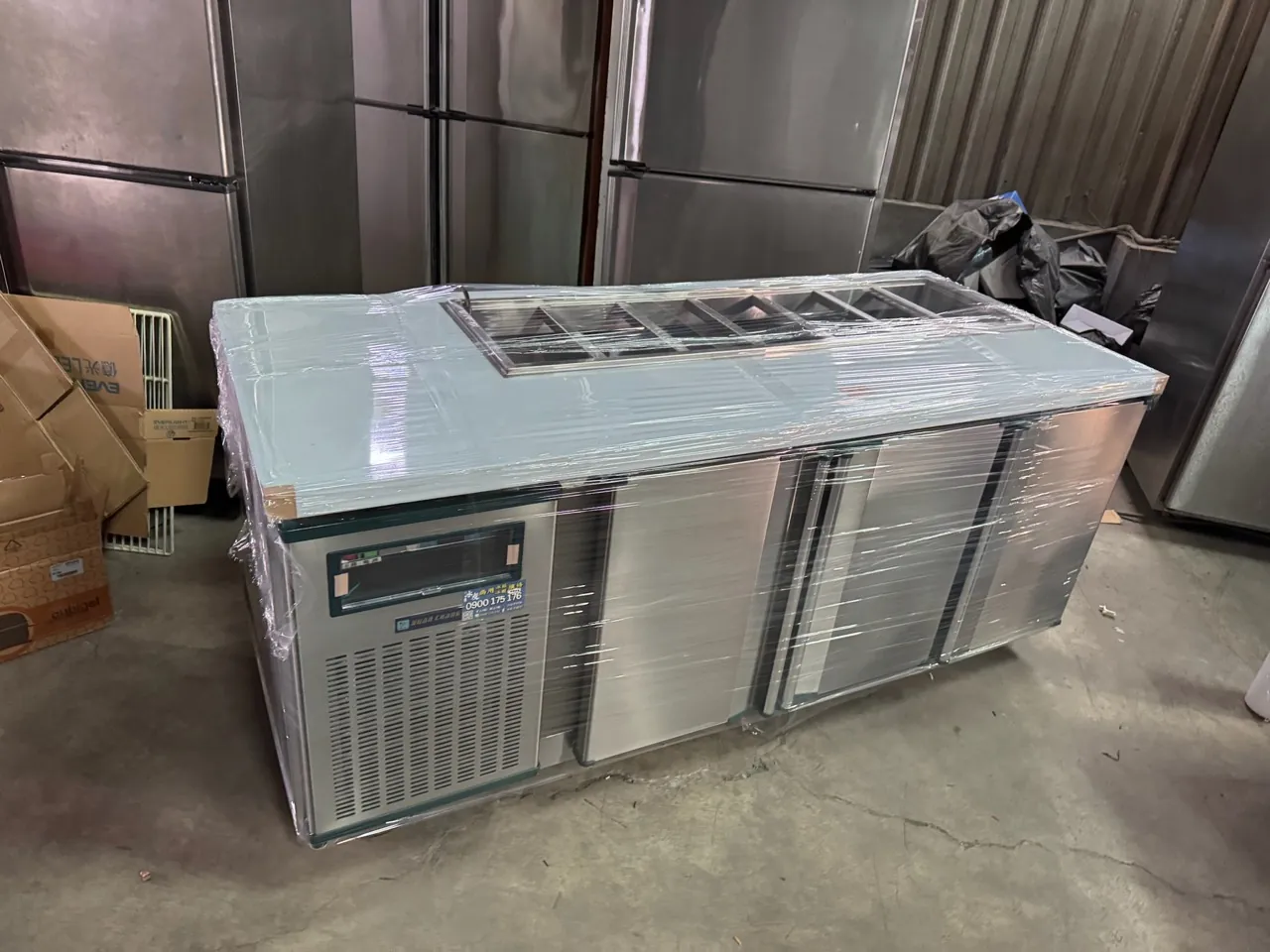
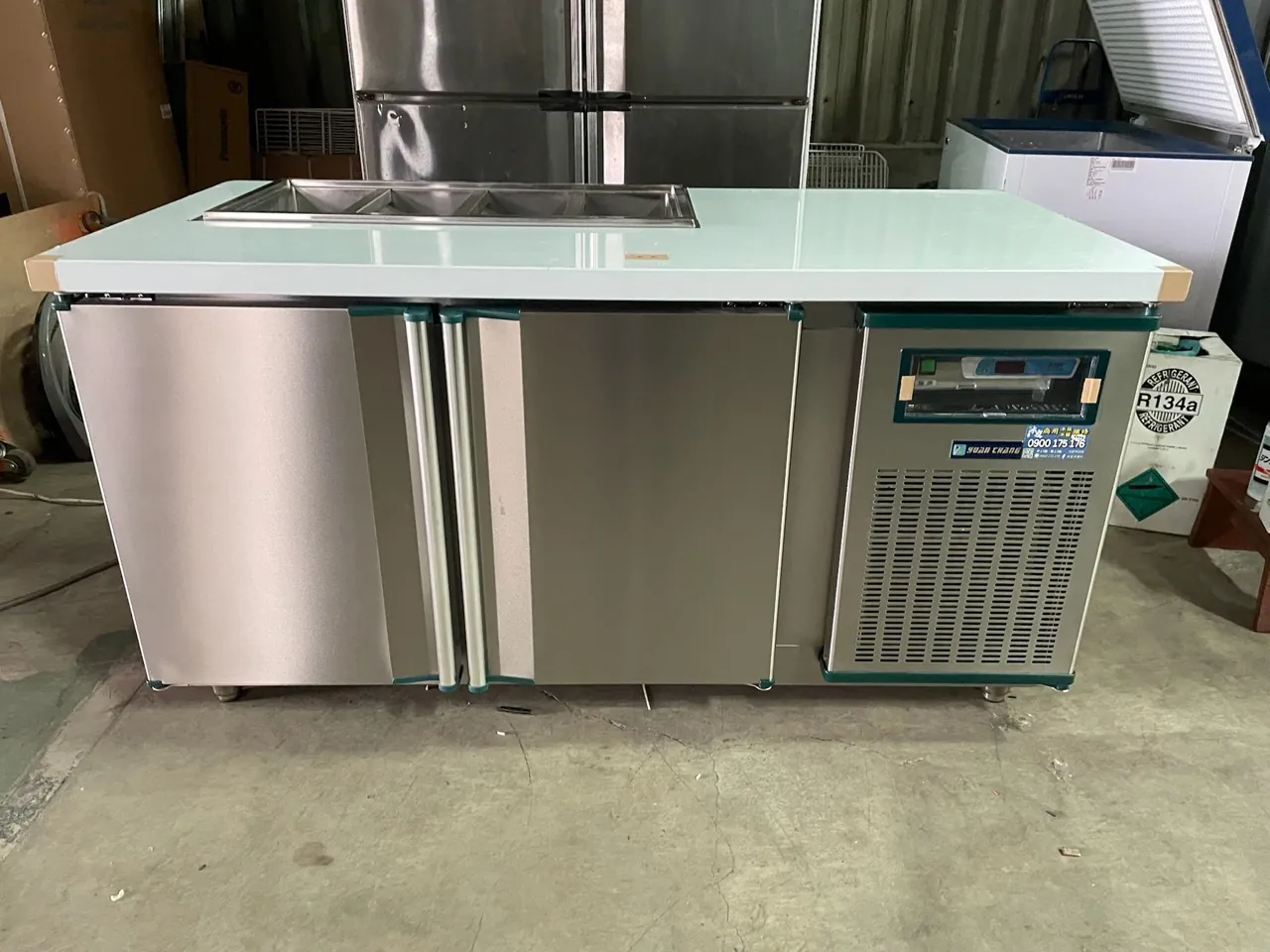
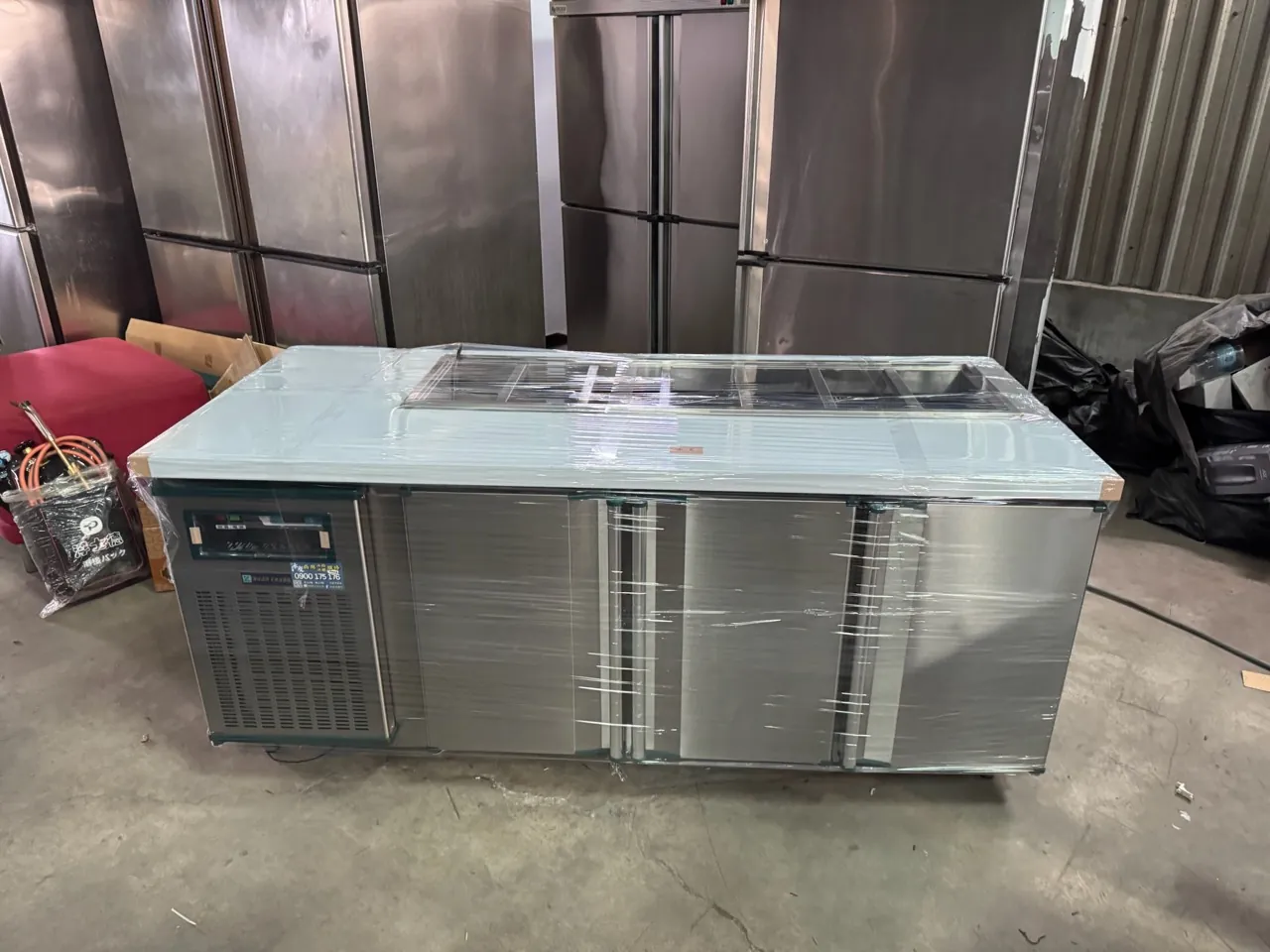
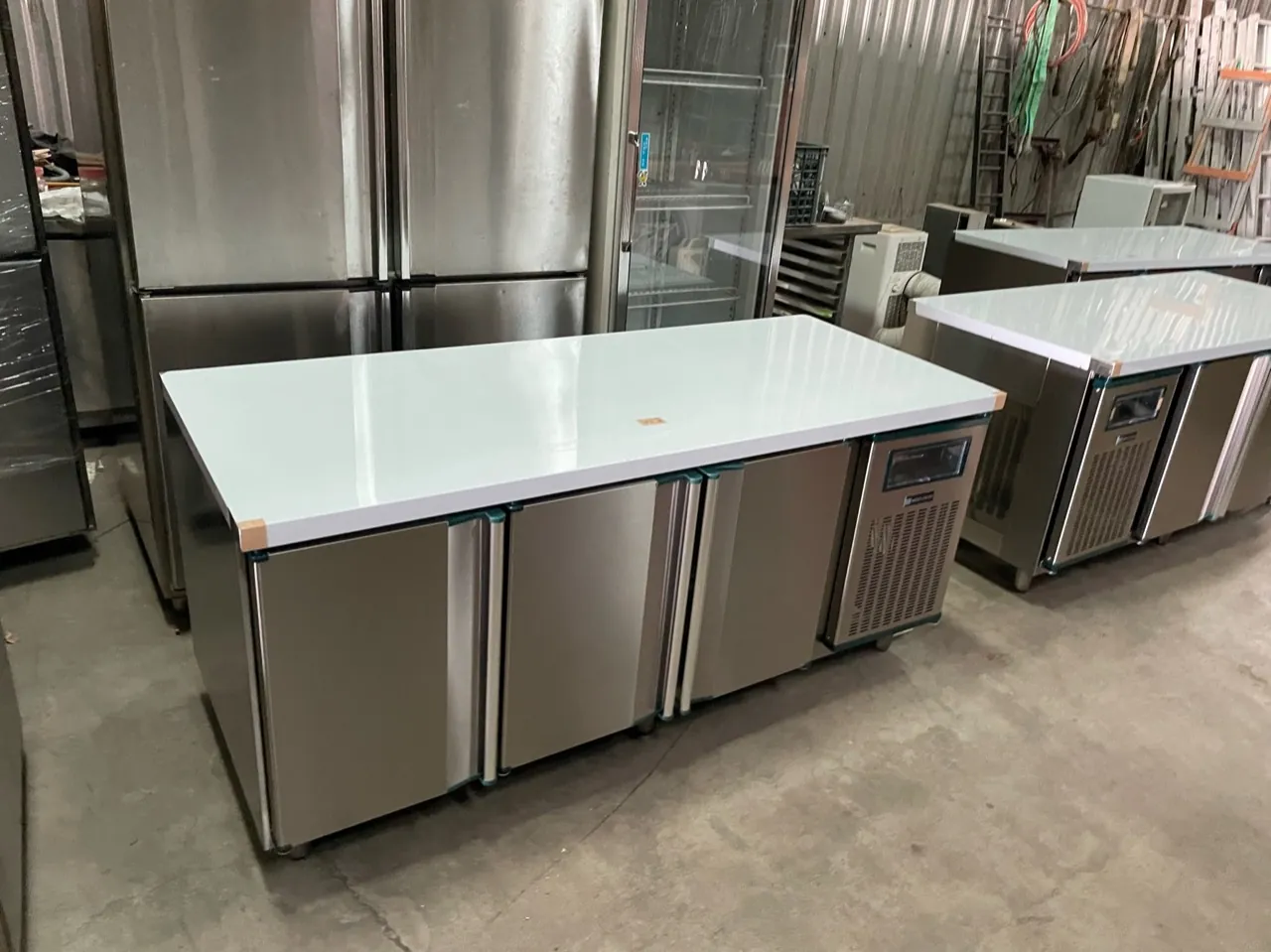
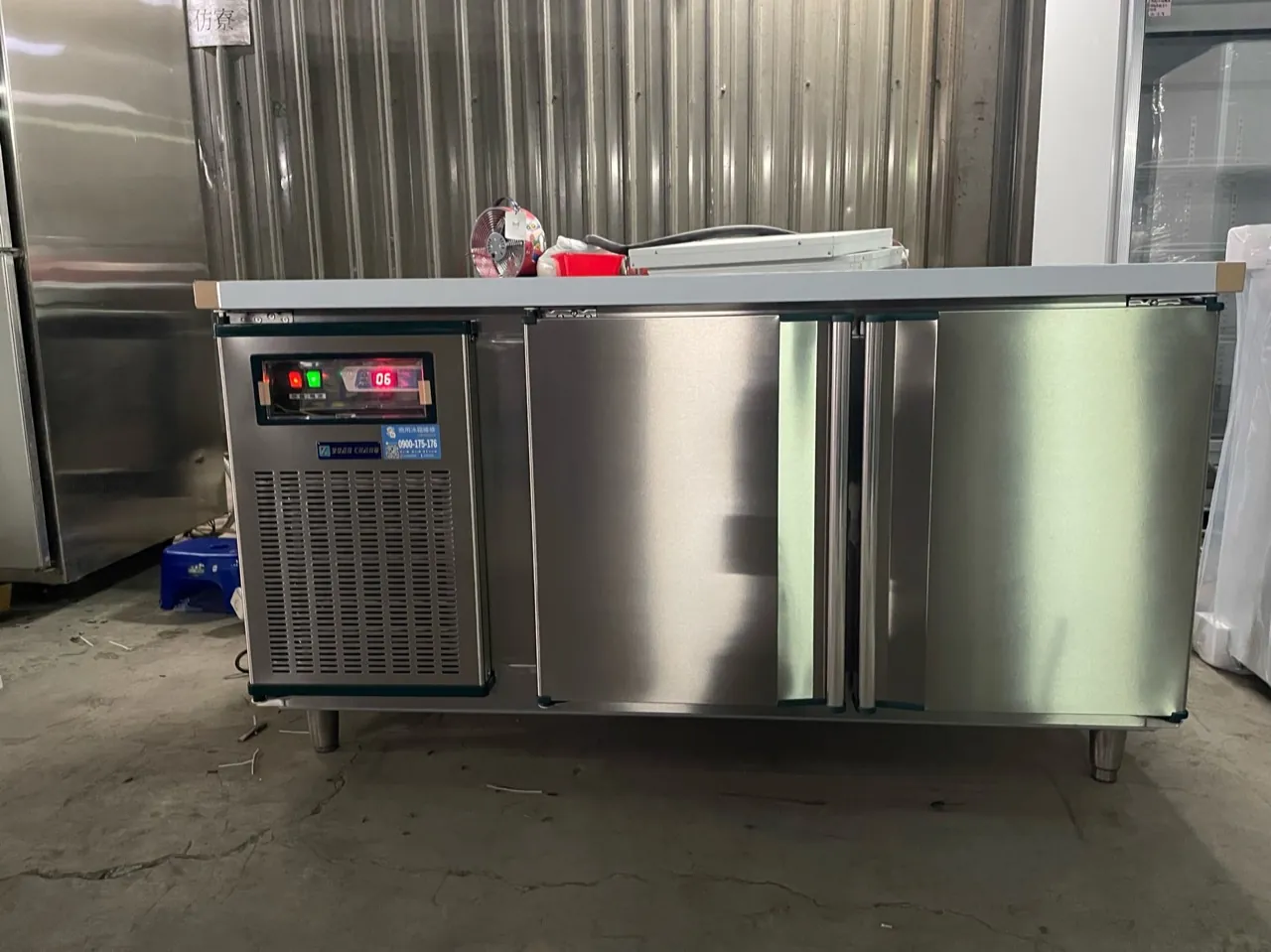
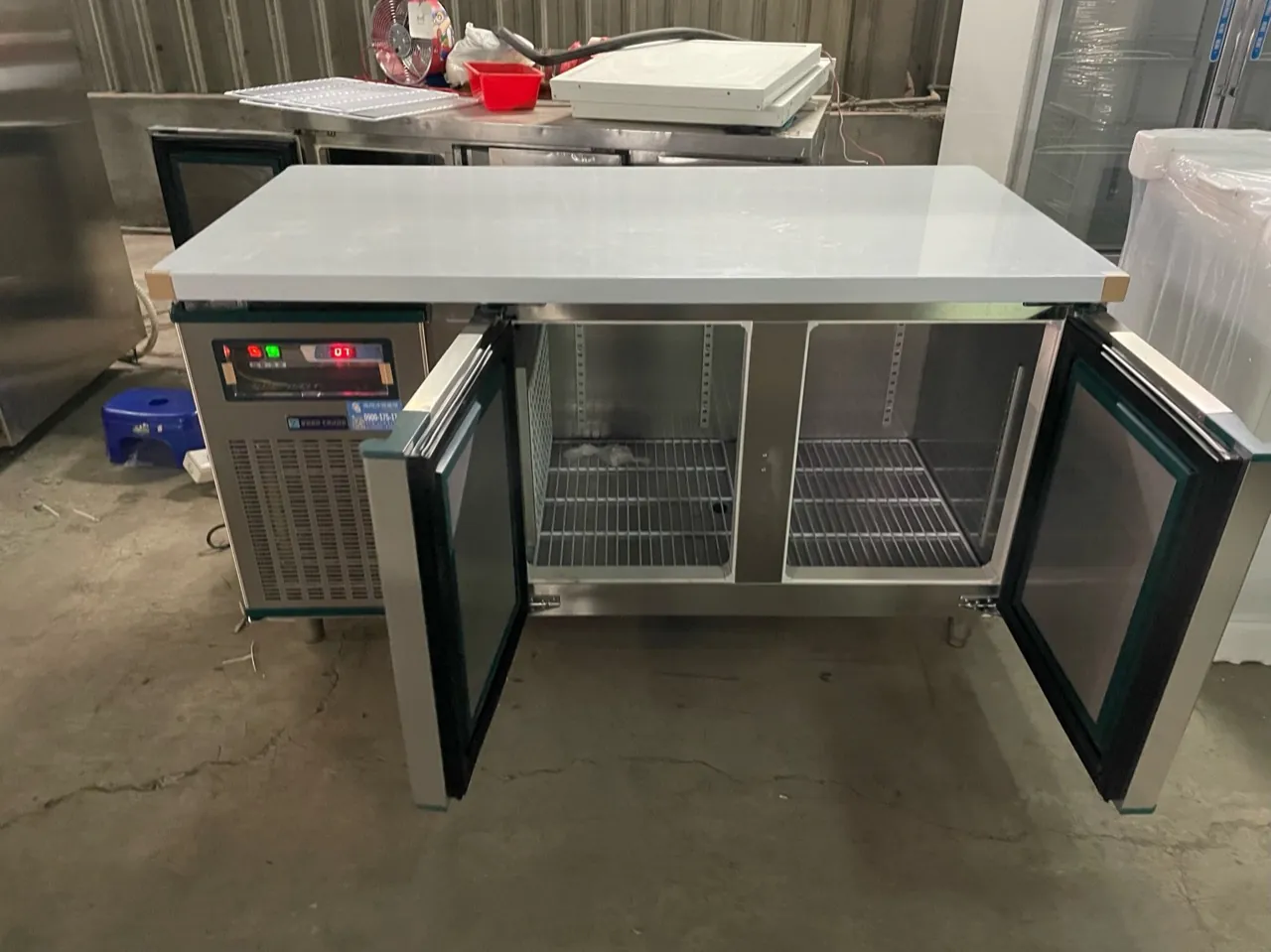
Common Taiwan sizes are approximately 4, 5 and 6 chi, with typical depths of 60, 65, 70 or 75 cm.
Choose a refrigerated worktop, worktop freezer or dual-temperature refrigerator-freezer according to ingredient storage needs.
Special dimensions can be discussed based on the site, workflow, counter height, ventilation and access.
Breakfast shops, food stalls, takeaway kitchens, fried-food shops, lunchbox shops and central kitchens.
We inspect the condenser, fans, refrigerant circuit, controller, door seals and compressor as relevant.
A failed evaporator fan can cause uneven cabinet temperature or slow pull-down.
Blocked or damaged drain lines and condensate pans can allow water to collect inside or around the unit.
A poor seal allows heat and humidity into the cabinet and increases the refrigeration load.
Confirm width, depth, height, door clearance, access route, ventilation space and electrical supply.
Tell us which ingredients require chilled or frozen storage and how often the doors will be opened.
For repair, include the nameplate, controller, current temperature and fault area. For sales, include the installation space and required size.
Common Taiwan widths are about 4, 5 and 6 chi, with depths of 60, 65, 70 or 75 cm. Availability varies, and special sizes can be discussed.
Yes. Dual-temperature worktop models have separate chilled and frozen zones. Confirm the configuration before purchase.
Possible causes include poor condenser ventilation, fan failure, refrigerant leakage, controller faults, door-seal leakage or compressor problems. Inspection is required.
Send the equipment type, current temperature, photos of the unit and nameplate, and your location on LINE. We will review the information and arrange an on-site inspection.
Commercial equipment only — we do not repair household refrigerators.
 LINE
LINE